Category: Uncategorized

DOT Physicals

What does DOT stand for? Department of Transportation Who needs a DOT exam? The operator of a vehicle with a gross vehicle weight of over 10,001 pounds The operator of a vehicle designed to transport more than 15 people The operator of a vehicle transporting hazardous materials   How often do I need a DOT exam? A DOT exam is good for a maximum of 2 years if the operator is healthy, is safe to operate a motor vehicle, and meets all requirements of the medical examiner.  However, medical problems such as hypertension and diabetes will decrease this amount of time to a year or sometimes less, depending on the medical problem and physical examination findings.   What can I expect during my exam? The medical examiner will get a

Stopwatch Urgent Care doctor checking patient with stethoscope

Urgent Care vs. Primary Care

Urgent care is a commonplace to use for acute issues when you are sick, have an accident, injury, or need quick care without having to plan an appointment. Urgent care can also help you with primary care needs when you may be between providers, unable to get an appointment with your PCP, or don’t have a PCP. We can manage a variety of medical conditions and are happy to help you maintain your health.   Chronic medical conditions like high blood pressure, diabetes, high cholesterol, thyroid dysfunction, etc can all be discussed with our providers! Although it is best and certainly encouraged to establish with a PCP for routine care, we help with needs for these conditions when there may be difficulties getting to your PCP. We can provide routine

Simple ~ STEPS ~ to Healthy Living

Happy National Walking Day! National Walking Day is the first Wednesday of April. This day is to encourage and remind people of healthy walking habits that can have a great impact on their overall health and help prevent diseases! Physical activity does not always have to be running or an intense impact on your body. A simple daily walk can lead to a healthier lifestyle!    Faster walking and brisk walking, although not running helps: Maintain a healthy weight – A brisk 30-minute walk can burn approximately 200 calories and over time calories burned can lead to pounds lost Prevent/help control conditions like heart disease, high blood pressure, diabetes, high cholesterol, and improve circulation- walking bring up your heart rate, lower blood pressure, and strengthens the heart Boosts immune function –

STD Testing

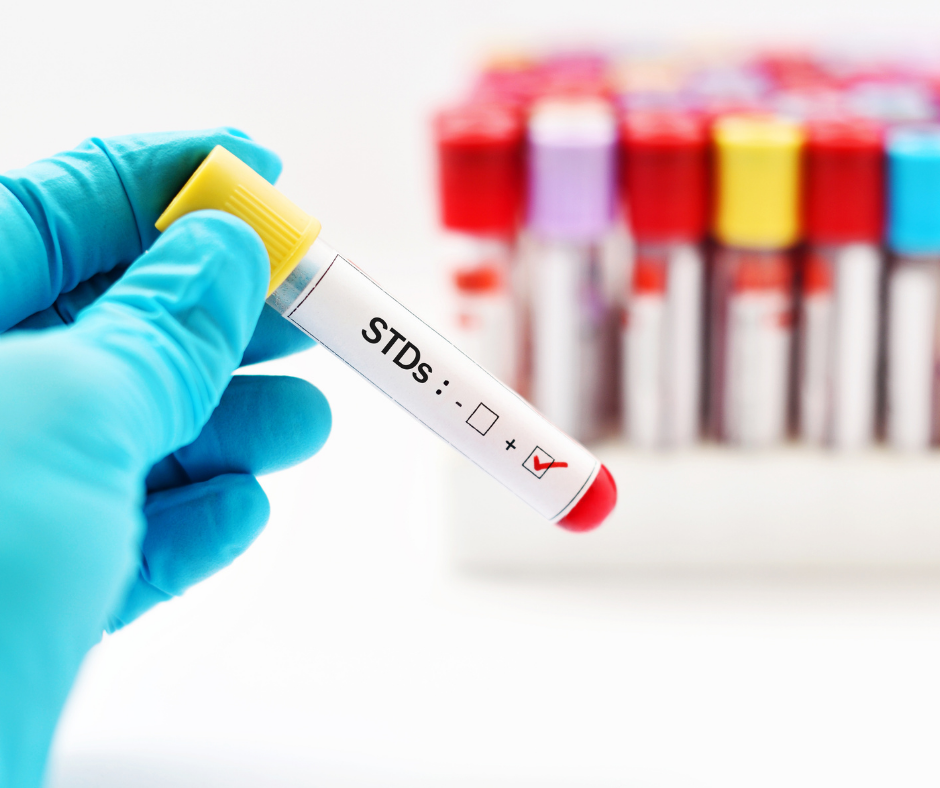
Screening and diagnostic tests can be done in urgent care for various sexually transmitted diseases (STDs). Whether you have been possibly exposed, experiencing concerning symptoms, or just want to screen for routine monitoring we can take care of you and your sexual health. Herpes Simplex Virus (HSV) Genital herpes causes open sores/blisters that can be painful. Herpes can often be diagnosed based on physical exams along with certain lab results. Culture/swab: This would involve sending a sample/scraping of a possible genital sore for evaluation Blood test: This would test a sample of blood for the presence of HSV antibodies to detect past herpes infection. There is no cure for herpes and it is a type of infection that can come and go (called outbreaks) Medications can be used to help

Allergy Season is Upon Us!

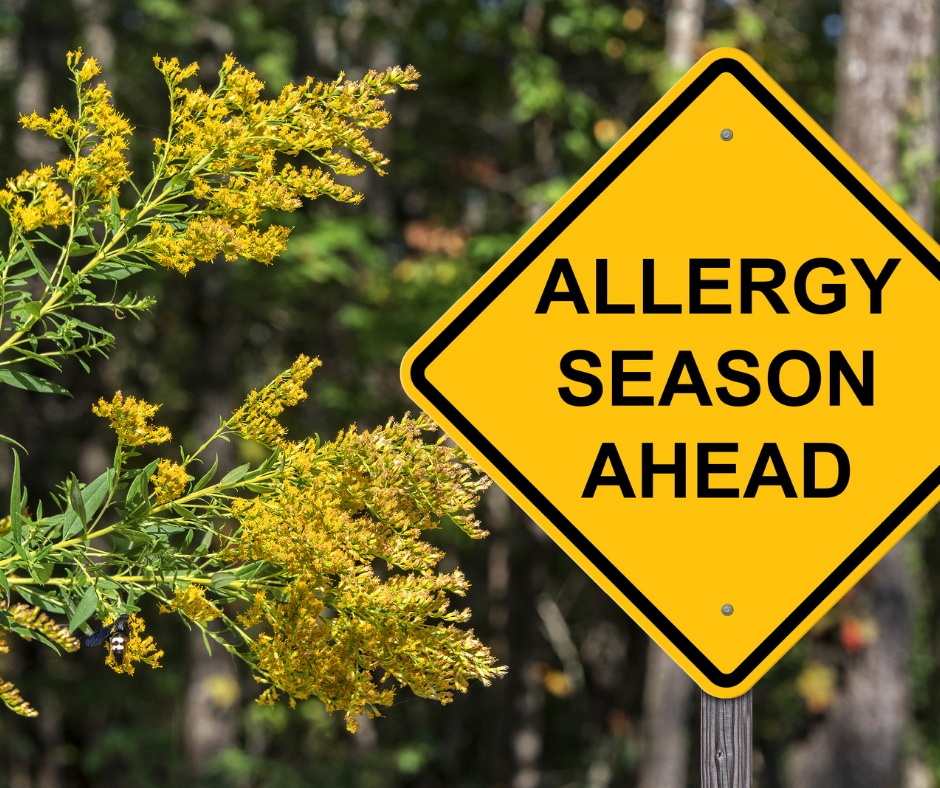
  Seasonal allergies/ environmental allergies affect many people each year. Spring allergies usually can begin in February and continue into June for some. Seasonal allergies develop when your body’s immune system overreacts to a trigger in the environment (pollen, ragweed, trees, grass, mold, etc.) usually during the spring, summer, or fall when the plants are pollinating.   Allergies and symptoms vary from individual to individual and also based on the climate in a geographic region. Some things that affect the timing and severity of allergy triggers are: Tree, grass, and ragweed pollens thrive during cool nights and warm days. Molds grow quickly in the heat and high humidity. Pollen levels tend to peak in the morning hours. Rain washes pollen away, but pollen counts can soar after rainfall. On a

All About Kid’s Nutrition

  Nutrition is very important for our growing children. They need all the vitamins and nutrients to grow strong and develop their brains. What to feed your kids, how much, and the stages of your child’s development can be very overwhelming for parents. Nutritional needs change as children grow and develop. Toddlers & Preschoolers This age group grows in bursts and their appetites may come and go in spurts, so they may eat a whole lot one day and then hardly anything the next. This is NORMAL. Make sure you offer them a healthy selection; they will get what they need. Calcium, the body’s building block, is needed to develop strong, healthy bones and teeth. Milk is the best source. Lactose-free milk, soy milk, tofu, sardines, and calcium-fortified orange juices,

This website uses cookies to ensure core functionality and analyze site usage. To learn more about the categories of personal information collected by our website, as well as the purposes for collection, please review our Privacy Policy.