
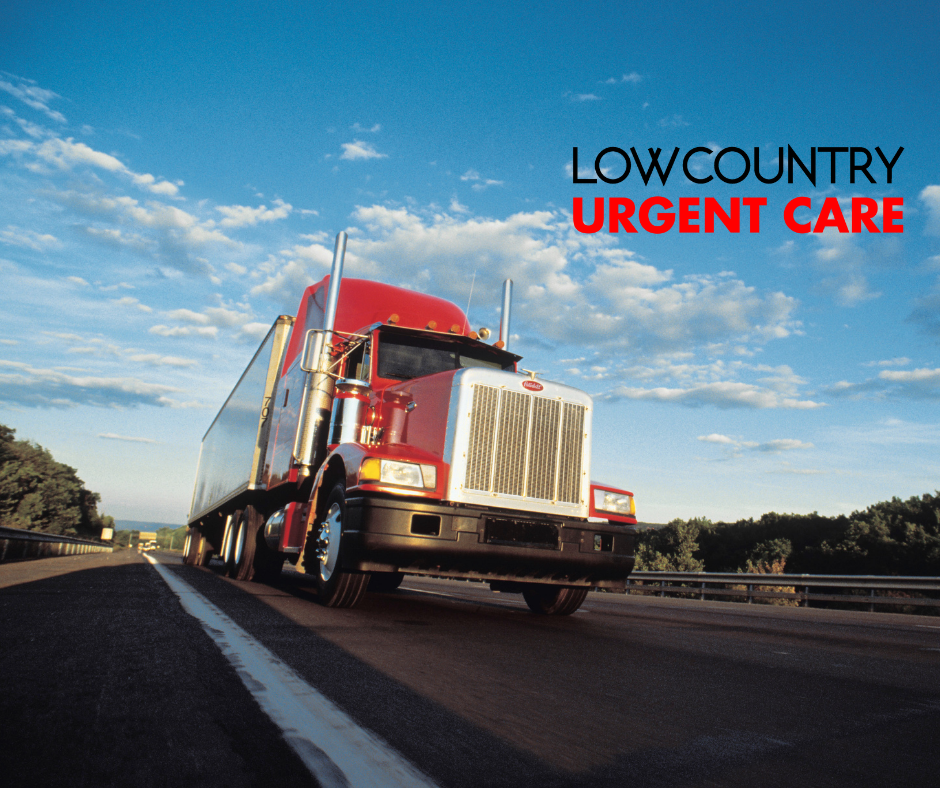
DOT Physicals
What does DOT stand for? Department of Transportation Who needs a DOT exam? The operator of a vehicle with a gross vehicle weight of over 10,001 pounds The operator of a vehicle designed to transport more than 15 people The operator of a vehicle transporting hazardous materials How often do I need a DOT exam? A DOT exam is good for a maximum of 2 years if the operator is healthy, is safe to operate a motor vehicle, and meets all requirements of the medical examiner. However, medical problems such as hypertension and diabetes will decrease this amount of time to a year or sometimes less, depending on the medical problem and physical examination findings. What can I expect during my exam? The medical examiner will get a

Urgent Care vs. Primary Care
Urgent care is a commonplace to use for acute issues when you are sick, have an accident, injury, or need quick care without having to plan an appointment. Urgent care can also help you with primary care needs when you may be between providers, unable to get an appointment with your PCP, or don’t have a PCP. We can manage a variety of medical conditions and are happy to help you maintain your health. Chronic medical conditions like high blood pressure, diabetes, high cholesterol, thyroid dysfunction, etc can all be discussed with our providers! Although it is best and certainly encouraged to establish with a PCP for routine care, we help with needs for these conditions when there may be difficulties getting to your PCP. We can provide routine

Simple ~ STEPS ~ to Healthy Living
Happy National Walking Day! National Walking Day is the first Wednesday of April. This day is to encourage and remind people of healthy walking habits that can have a great impact on their overall health and help prevent diseases! Physical activity does not always have to be running or an intense impact on your body. A simple daily walk can lead to a healthier lifestyle! Faster walking and brisk walking, although not running helps: Maintain a healthy weight – A brisk 30-minute walk can burn approximately 200 calories and over time calories burned can lead to pounds lost Prevent/help control conditions like heart disease, high blood pressure, diabetes, high cholesterol, and improve circulation- walking bring up your heart rate, lower blood pressure, and strengthens the heart Boosts immune function –